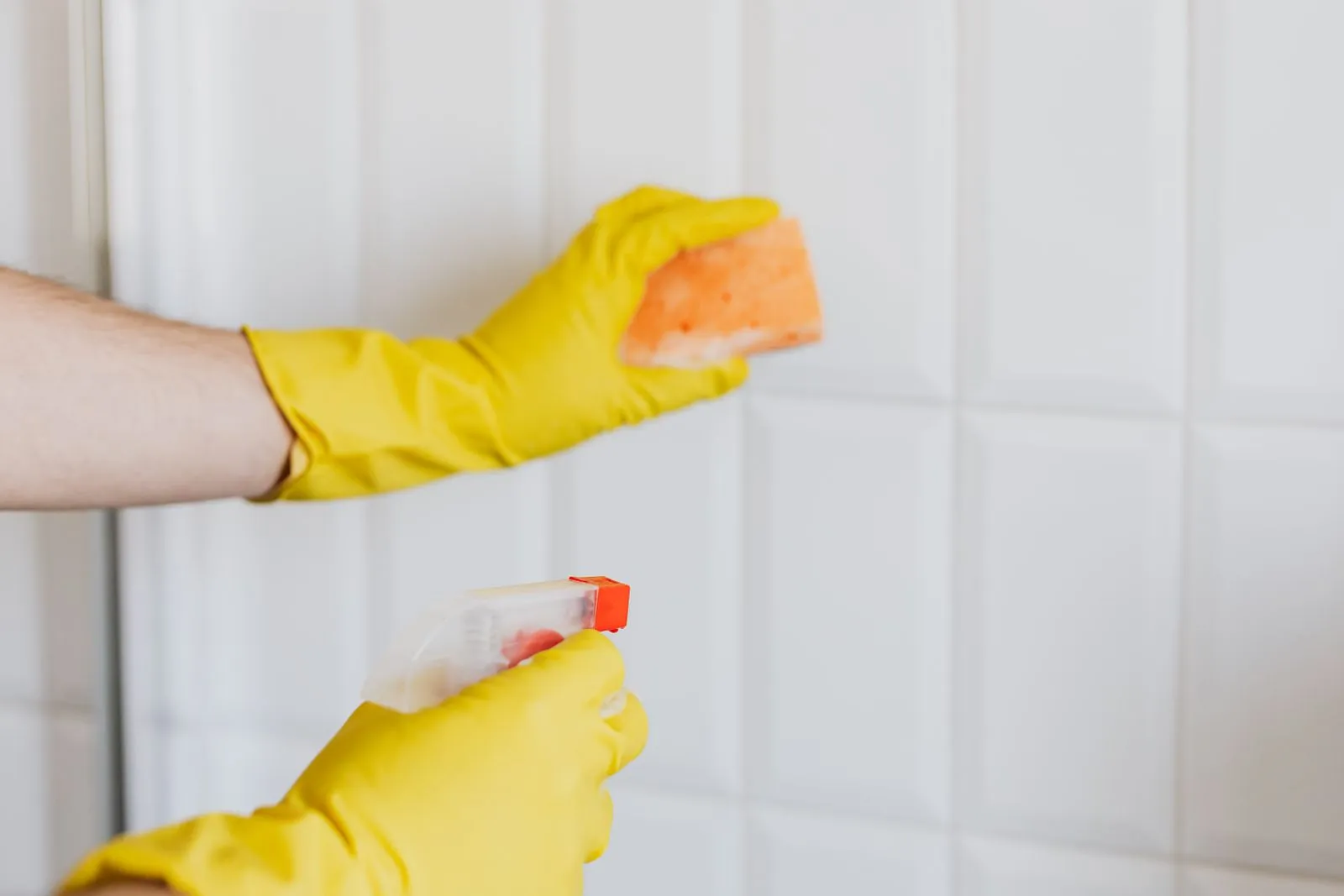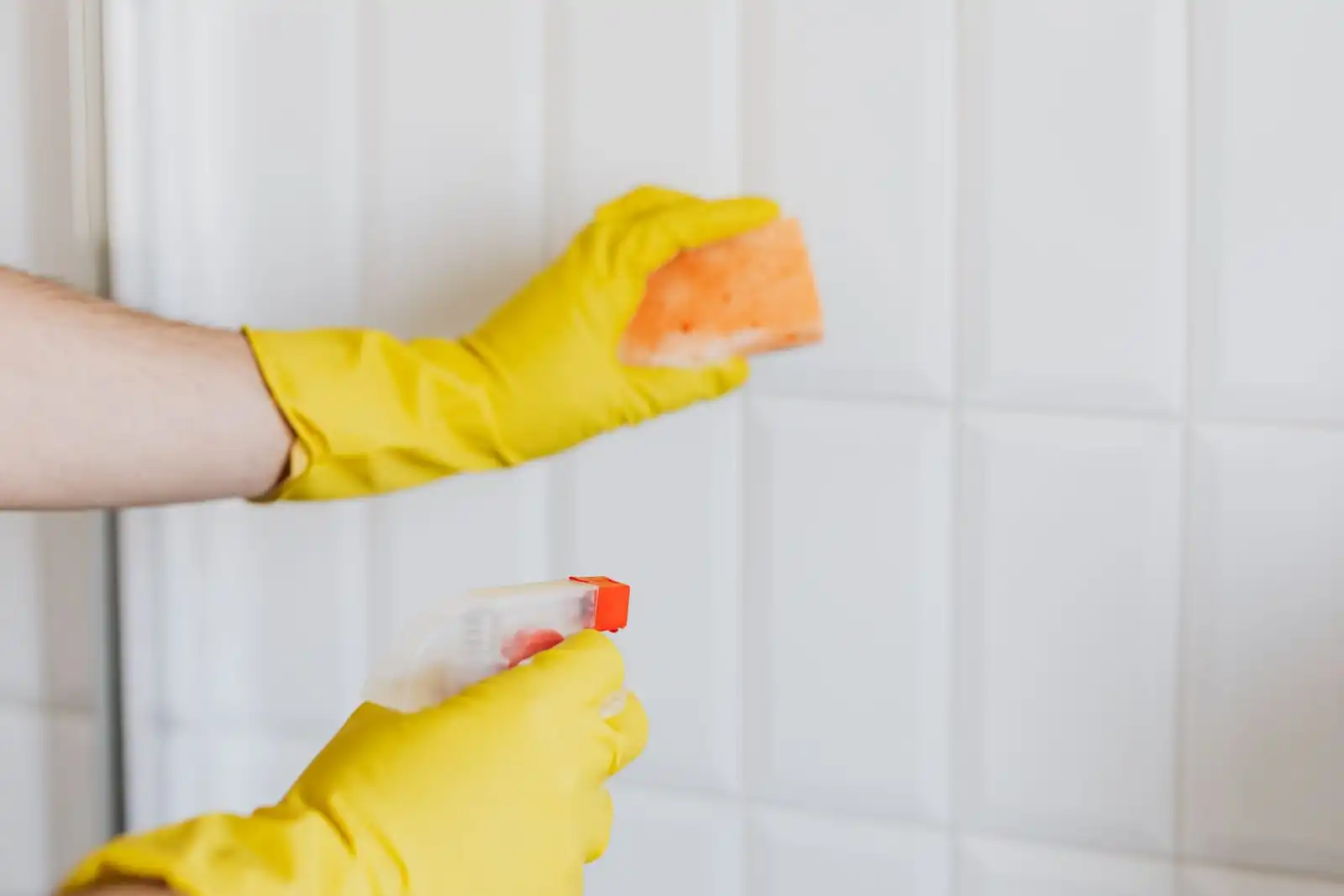
To clean grout, use warm water and a pH-neutral cleaner made for tile, and skip bleach, ammonia, and harsh acids. Grout is porous, so strong products can wear it down and strip its sealer without getting it any cleaner.
The kitchen floor is the one guests see on the way to the drinks. Tile makers are clear about what to use and what to avoid.
How to Clean Grout With a Neutral Cleaner
LATICRETE, a tile and grout maker, recommends warm water, a nonabrasive cloth or sponge, and a neutral, pH-balanced cleaner for everyday soil and stains. Work in small sections, rinse, and wipe dry.
Spills should come up fast. LATICRETE notes that acidic spills such as coffee, wine, and vinegar can etch grout, and sealing can't prevent etching.
What Not to Use to Clean Grout
LATICRETE says not to use ordinary household cleaners, because they may degrade the grout sealer. That includes acidic or alkaline cleaners, bleach, abrasives, and ammoniated cleaners.
That runs against a lot of kitchen advice, so read the label on what you own before you scrub. Hard bristle brushes and scouring pads can also scratch the tile around the grout line.
Never Mix Bleach With Other Cleaners
Even if you use bleach, don't combine it. Poison Control says mixing bleach with an acid, such as vinegar, makes chlorine gas, and mixing it with ammonia makes chloramine gas. Its advice is not to mix household chemicals such as bleach and ammonia or bleach and acid.
If someone breathes fumes, call the poison center at 1-800-222-1222. It's free, confidential, and open all day and night.
When Grout Needs Sealing
LATICRETE describes grout as usually very porous and cement-based, so the joints typically need to be sealed and maintained. It adds that grout is best protected with a fluorochemical-based sealer.
Sealer is the reason grout stays clean longer, and it's why a deep clean is a good moment to add one. Check the product label for how long to wait before wetting the floor again.
When to Call for Tile and Grout Cleaning
Call when the grout is dark across the whole floor, when store products haven't worked, or when you want it sealed after cleaning. Our tile and grout cleaning includes pre-treatment, a dedicated grout cleaner, hand-scrubbing of the grout lines, and a high-powered extraction rinse. We recommend a protective sealer, and it's optional.
We clean floors, countertops, and showers. If you're also booking carpet, our guide to preparing your home for carpet cleaning covers what to clear, and carpet cleaning before the holidays covers the calendar.
Tell Us Which Floors Need Work
Call us at (360) 678-3249 or use the contact page. Tell us which rooms, roughly how big they are, and whether the grout has been sealed before, and we'll tell you what we'd do.
Common Questions
What Is the Best Way to Clean Grout?
LATICRETE recommends warm water, a nonabrasive cloth or sponge, and a neutral, pH-balanced cleaner for everyday cleaning. It says not to use bleach, ammoniated cleaners, abrasives, or acidic or alkaline cleaners.
Can I Clean Grout With Bleach and Vinegar Together?
No. Poison Control says mixing bleach with an acid such as vinegar makes chlorine gas. Do not mix household chemicals.
Do I Need to Seal Grout After Cleaning It?
LATICRETE says grout typically needs to be sealed and maintained, and recommends a fluorochemical-based sealer. We recommend a sealer after cleaning and can apply one.
Do You Clean Showers and Countertops Too?
Yes. We clean tile floors, countertops, and showers.