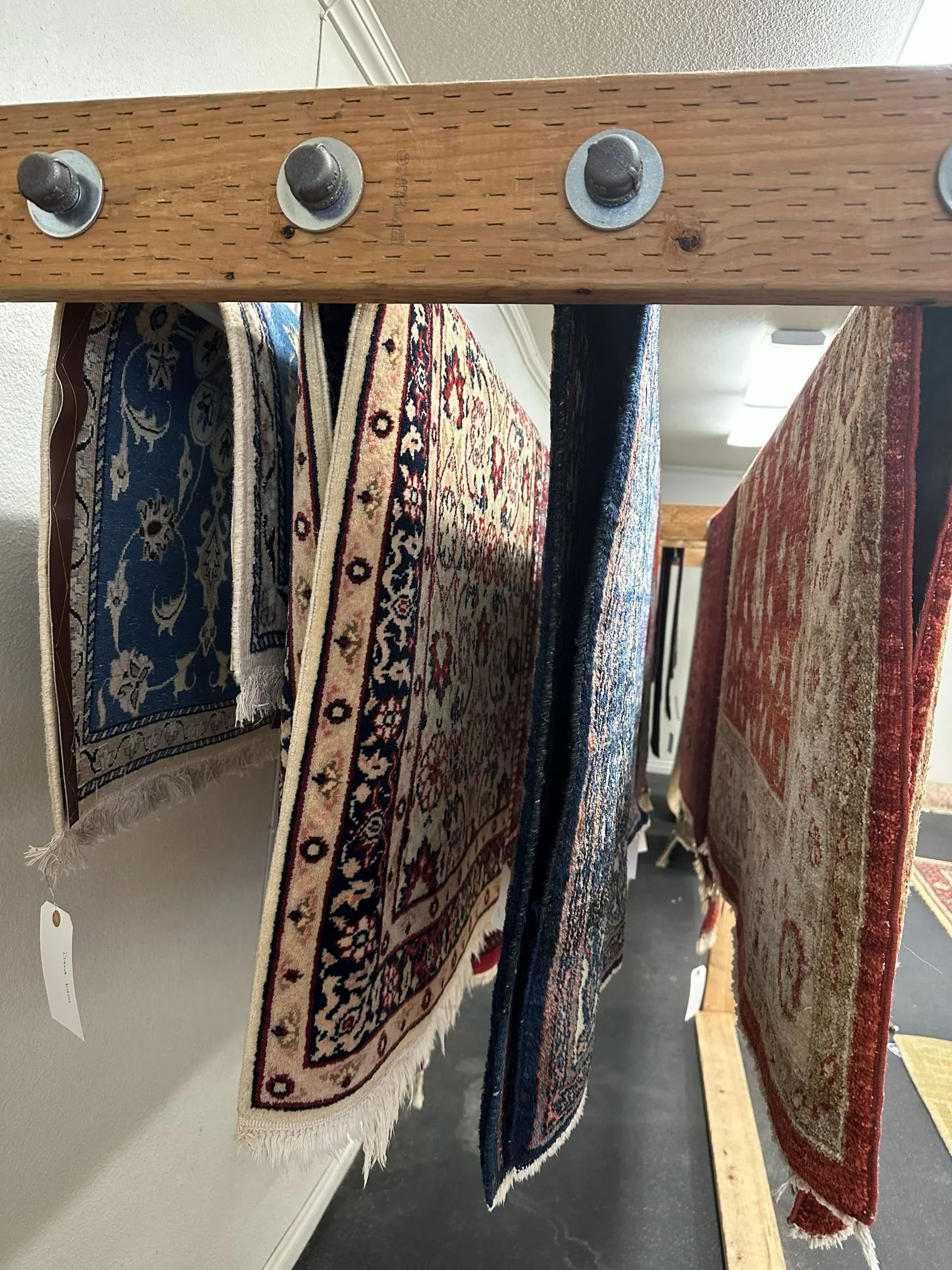
The best way to get mud out of carpet is to leave it alone until it dries, then lift it off before you clean anything. That feels backwards when you're staring at a brown footprint in the hallway. But wiping and scrubbing wet mud pushes it down into the fibers, and that's what turns a footprint into a stain.
It's October, the rain is back, and mud is going to find your carpet. Kids come in from the yard, the dog bolts through the door, and somebody forgets to take their boots off. Here's what to do, step by step, and when it's time to call us.
Why Mud Is Different From Other Carpet Stains
Most spills are liquid. You blot them up and you're done. Mud is a mix of water and tiny soil particles, and those particles are the problem. They're gritty, they cling to carpet fibers, and the color in them (clay especially) can leave a tint behind even after the dirt is gone.
So there are really two jobs. First you remove the solid soil. Then you deal with whatever stain or tint is left. If you jump straight to the second job while the first one is still sitting in the carpet, you spread everything around.
The Carpet and Rug Institute says to act quickly on spills and blot instead of scrubbing, because scrubbing can fray the fibers and change the carpet's texture. Mud is a good reason to remember that rule.
How to Get Mud Out of Carpet While It's Wet
If the mud is fresh and you can't stand to leave it, there's still a right way to handle it. The goal is to take away as much mud as you can without pressing it deeper.
- Lift off any thick clumps with a spoon or a dull butter knife. Scoop upward, don't drag.
- Press a clean, dry white cloth or plain white paper towel on the damp area and lift. Use a fresh spot of the cloth each time.
- Don't rub, and don't pour water on it. More water just thins the mud and carries it further into the carpet and the pad underneath.
- Keep people and pets off the area so nobody tracks it around.
Then stop and let it dry. Wet mud that you've blotted as well as you can is much easier to deal with once the rest has dried into crumbs.
Why You Should Let Mud Dry Before You Clean It
Dried mud is easier to remove than wet mud, and it's the one carpet cleaning trick people don't believe until they try it. When mud dries, it shrinks and crumbles, and most of it sits on top of the fibers instead of inside them.
Give it a full day if the spot is thick. Press a finger gently on the area to check it's dry all the way through. If it still feels cool or damp, wait longer.
This works because you're replacing a smearing job with a lifting job. Dry soil breaks off in pieces. Wet soil smears, and smeared soil is the thing that leaves a mark behind.
Vacuum and Spot Clean Once the Mud Has Dried
Once it's fully dry, break up any hard chunks with the back of a spoon, working gently. Then vacuum slowly over the area, going over it several times from different directions. Mud hides in the pile, so a quick pass won't get it.
If a stain or tint is still there, use a spot cleaner made for carpet. Test it first on a hidden corner or inside a closet, follow the label, and blot instead of scrubbing. Rinse out any product you used by blotting with a damp cloth so it doesn't leave a sticky residue that attracts more dirt.
If the mark is still there after a round or two, stop. Repeated rubbing and wetting can make things worse, and it's a good sign the soil is deeper than a spot cleaner will reach.
What Red Clay and Dark Soil Can Leave Behind
Some mud comes out completely. Some leaves a faint shadow. Dark, clay-heavy soil and the orange-red mud from fields and trail edges can tint light carpet, and a tint isn't the same as dirt. The soil can be gone and the color can remain.
We'd rather tell you that up front than promise a perfect result. Cleaning removes soil, and that's often most of what you see, but we can't promise every tint will lift. During a visit, we'll look at the carpet, tell you what we can do for it, and point out anything that might not come all the way out.
Light-colored carpet shows it most. If yours is cream or beige, that's one more reason to treat mud gently from the start.
When to Call a Professional Carpet Cleaner for Mud
A few muddy footprints are a weekend job. These situations are usually worth a professional's time:
- The mud covers a hallway, a whole room, or a set of stairs.
- It soaked in, the carpet stayed wet, or the room smells musty.
- You've already tried a spot cleaner and a mark or ring remains.
- The carpet is light-colored, or it's wool or another fiber you're nervous about.
- Pets, boots, or a muddy yard are a weekly routine and the soil has built up.
Our carpet cleaning uses truck-mounted hot water extraction, which pulls dirt and water out of the carpet instead of pushing it around. If a pet was part of the mess, our pet stain and odor removal covers the treatment side too.
You can also read our guide to common carpet stains, since mud often arrives with a few friends like coffee and grass.
Keep Mud From Reaching Your Carpet This Fall
The easiest mud to clean is the mud that never gets in. In the Skagit County rainy season, a few habits make a real difference. Farm fields, boat yards, gravel driveways, and trailheads all send soil home on shoes, paws, and tires.
- Put a mat outside the door and another one inside. The Carpet and Rug Institute recommends stopping dirt at the door with mats and taking shoes off when you come in.
- Keep a boot tray or an old towel by the door for the dog's paws.
- Vacuum the entry and hallway more often during wet weeks, since grit wears carpet down.
- Don't wait to schedule a clean until the carpet looks bad. Soil you can't see is already cutting at the fibers.
Once the mud is gone, how long carpet takes to dry after cleaning is the next thing worth knowing, especially if guests or pets are on the way.
When you'd rather not deal with it, tell us what happened and where. We cover Skagit County, including Mount Vernon and Anacortes, and you can reach us from the contact page or at (360) 678-3249.
Common Questions
Should I Wipe Up Wet Mud on Carpet Right Away?
Lift off thick clumps with a spoon and blot gently with a dry white cloth, but don't wipe, scrub, or add water. Wiping pushes mud deeper into the fibers. After blotting, it's usually better to let the rest dry and vacuum it up.
Is It Better to Let Mud Dry Before Cleaning Carpet?
Yes. Dried mud crumbles and sits on top of the fibers, so you can break it up and vacuum it. Wet mud smears. Make sure the spot is dry all the way through before you start.
Will Mud Stain My Carpet Permanently?
Often it won't, especially if you handle it gently. Dark or clay-heavy mud can leave a tint, though, and we can't promise every tint will come out. A professional cleaning removes the soil, and we'll tell you during the visit if a shadow might remain.
When Should I Call a Carpet Cleaner for Muddy Carpet?
Call when the mud covers a large area or stairs, soaked in, left a mark after you tried spot cleaning, or the carpet is light-colored or delicate. Persistent musty smells are also a good reason to have it looked at.