When pet odor comes back after carpet cleaning, repeating the same spot treatment may leave you in the same place. The next useful step is to work out where the odor is coming from and what the previous cleaning actually treated.
A visible stain, an odor in the carpet face, and contamination below the carpet are different findings. A cleaner needs that distinction to recommend a sensible scope. This guide will help you describe the problem and understand the options without promising that every carpet can be saved.
Start with the location and history
Write down where you notice the smell. Is it one corner, the path beside the sofa, a bedroom doorway, or the whole room? Note whether it appears after the room has been closed or only when you're near a particular spot. These observations are clues for an inspection, not proof of a specific cause.
Then describe the accident history as accurately as you can. One fresh accident is a different situation from a favorite spot used repeatedly over several months. Tell the cleaner if a prior owner or tenant had pets and you don't know the history. An honest unknown is better than a guess.
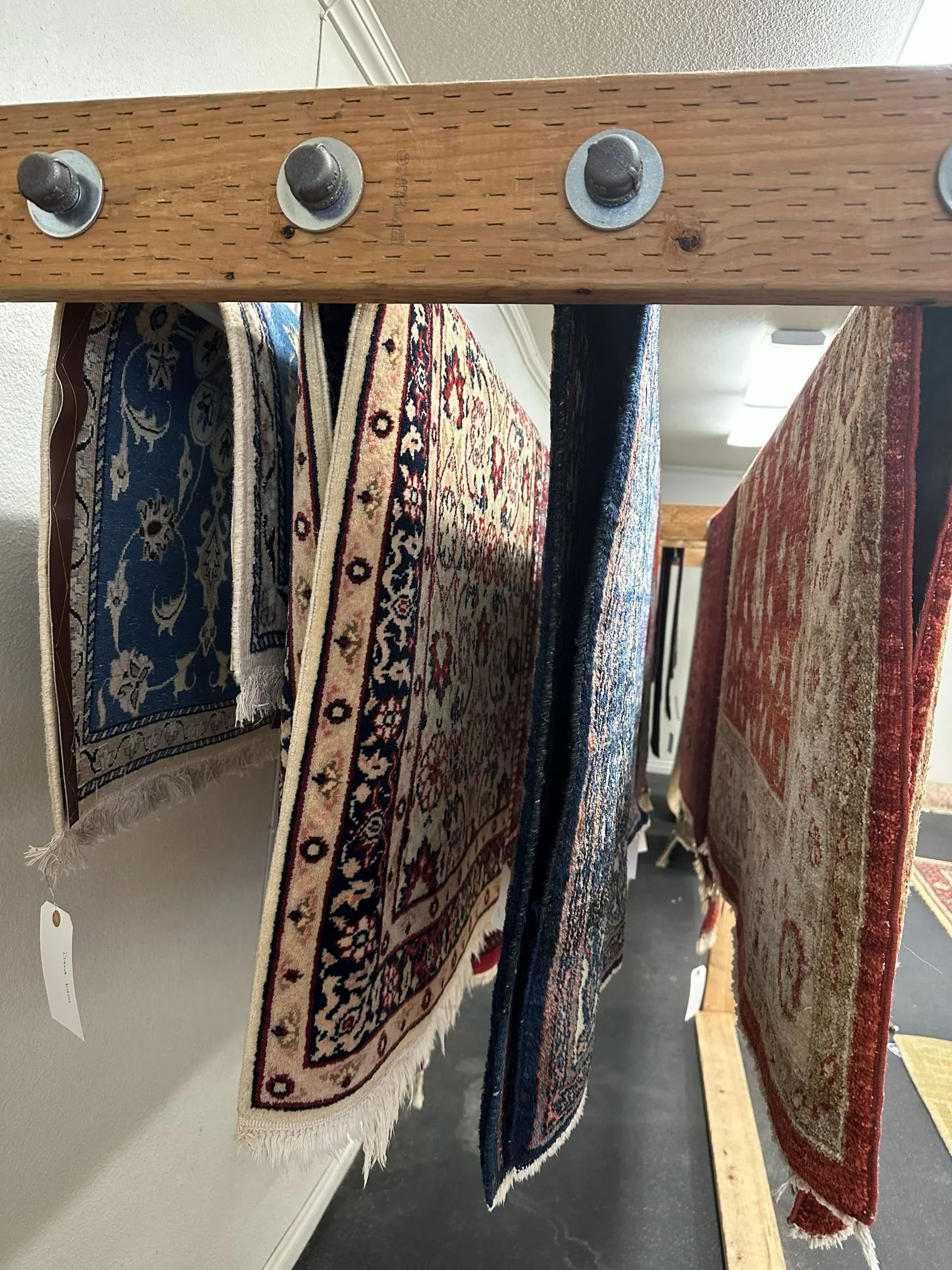
Also check nearby items. A rug, pet bed, upholstered chair, or baseboard area may need attention alongside the carpet. If those remain part of the odor source, cleaning the carpet alone won't address the whole room.
Why routine cleaning and odor treatment have different scopes
Routine carpet cleaning addresses soil in the carpet. A recurring urine problem needs a targeted assessment of the affected material and treatment history. Ask whether the proposed work includes only the carpet surface or an evaluation of what is underneath.
Liquid can travel beyond the visible spot. When repeated accidents reach the backing, pad, or floor, the part you see from above may be only one part of the problem. A technician may recommend further inspection, a different treatment, or replacement of affected material depending on what is found.
Ask the cleaner to explain what is confirmed and what is still uncertain before authorizing additional work. An odor by itself doesn't establish the condition of the pad or subfloor. Likewise, a clean-looking carpet surface doesn't settle whether material underneath needs attention.
Tell the cleaner which products have already been used
Keep a list of sprays, powders, spot cleaners, and rental-machine products used in the area. Mention how often you treated it and whether it stayed wet afterward. If you can't remember the brand, a photo of the container can help.
The Carpet and Rug Institute's pet care guidance advises prompt cleanup and appropriate pet-stain products, and cautions against steam cleaning urine spots because heat can set the stain and odor. It also distinguishes quick spot cleanup from periodic professional cleaning.
Don't layer a new product over old treatments to prepare for the appointment. Avoid mixing cleaners. Follow the label on any product you use and keep pets away for the stated period. If you are uncertain whether a treatment is suitable for your carpet, stop and ask the manufacturer or cleaner.
What to ask during an odor assessment
Use a few direct questions to make the proposal clear:
- Which areas do you believe are affected, and how will you inspect them?
- What material will this treatment reach?
- What result is realistic for this carpet and its condition?
- Could replacement of the pad or another material be needed?
- How will we evaluate the result after the carpet dries?
- What should I do if the odor remains?
Ask for separate scopes if the decision is between treating the carpet and replacing affected materials. You need to understand what each option includes, who completes it, and what remains outside the work. A low initial quote is hard to compare with a broader repair if those boundaries are missing.
For a rental in Oak Harbor or a home being prepared for sale, share the handover date too. Leave time to assess the result after drying rather than scheduling the first attempt immediately before someone moves in.
Keep the follow-up focused on the original problem
Once treatment is complete, use the drying and re-entry directions provided. Avoid judging the result through the scent of an added room fragrance. Keep notes on where any remaining odor occurs so the cleaner can compare it with the original affected area.
If new accidents occur, tell the cleaner. That changes how a recurring smell should be interpreted. An unchanged problem in the original location and a new accident elsewhere are different follow-up conversations.
Sometimes the practical choice is replacement of affected carpet or pad. That decision should follow the condition assessment and your plans for the room, not a blanket claim that pet odor always comes out or always requires new flooring.
A Clean Carpet Co offers pet stain and odor removal across Skagit County and Whidbey Island. Send the location, accident history, and treatments already tried when you request a quote. That gives us more to work with than a photo of the stain alone.
Common Questions
Does returning pet odor always mean the carpet needs replacing?
No. The next step is an assessment of the affected area, treatment history, and materials. Replacement may be appropriate when cleaning cannot reasonably address the condition found.
Can the pad smell when the carpet looks clean?
Yes. A surface appearance check does not establish whether earlier accidents reached the pad. Ask the cleaner whether inspection below the carpet is appropriate.
Should I add deodorizer after professional treatment?
Follow the cleaner’s aftercare instructions. Adding another product can make it harder to assess the result and may not suit the carpet or treatment already used.